
Jacob Minnette (MS/NE ’22, PhD/NE ‘25) appreciated how much the University of Tennessee’s Department of Engineering prioritized the PhD student experience. Along with rewarding educational opportunities, Minnette was impressed with the personal connection between students and faculty.
“But the single best thing about this department is the professional connections,” said Minnette, now a nuclear engineer at Becq, a radiation shielding company. “ORNL, Y12, UCOR, and so many new private firms in the area made finding a job post-doc very easy. As a working professional, I routinely engage with folks pushing this industry forward at a pace that the industry hasn’t moved at in decades. The excitement is palpable for the future growth of nuclear in the US, especially here in East Tennessee, and UT NE is right at the center of it all.”
Boosted by world-class research opportunities, proximity to industry, and a supportive infrastructure, the number of nuclear PhD graduates in the Tickle College of Engineering has reached a record high.
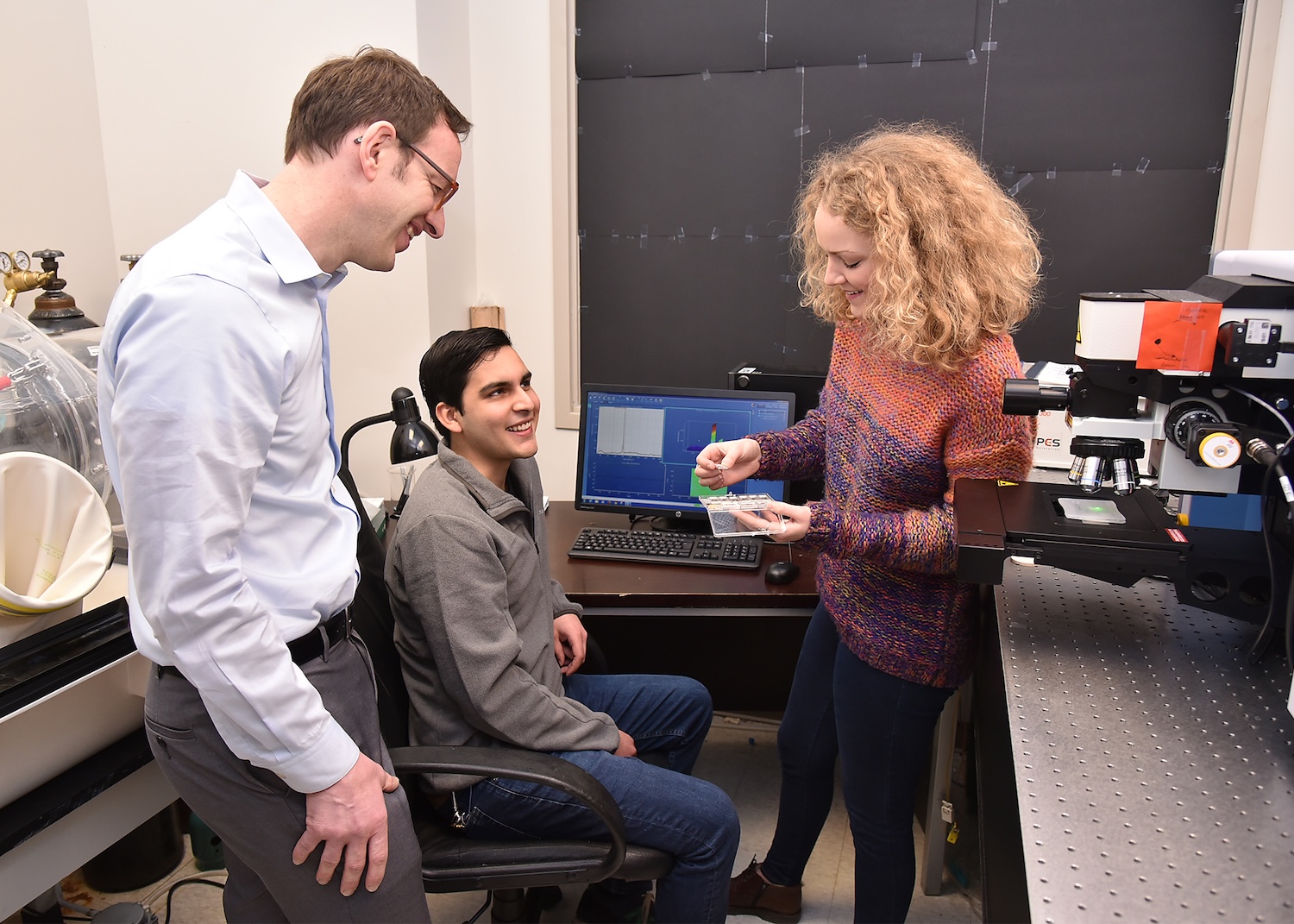
The NE department graduated 35 doctoral students in the 2025–26 academic year, surpassing the previous record by more than double digits. In 2018, TCE set a record for any nuclear engineering program in the country by graduating 24 doctoral students.
The reasons for the growth are numerous, including a strong reputation that has been built over decades. The NE department is ranked No. 2 in the country among public schools in the U.S. News & World Report’s Best Graduate School rankings.
NE faculty have attained multi-millions in research funding opportunities over the last few years, and PhD students have earned prestigious scholarships and fellowships.
“The resources the students have access to in East Tennessee is fantastic,” said NE Graduate Program Coordinator Amanda Lovelace. “They are surrounded by high-level nuclear companies, and our faculty work hard to gain research funding and projects for them to be involved in. Students are seeing the value in that.”
Epicenter of Opportunities
Nuclear energy is experiencing a global resurgence driven by the increasing electricity demands from AI data centers, industrial growth, and climate variances. Nuclear energy is being looked to as a sustainable, reliable, and affordable base-load power source.
UT’s campus is ideally situated in the nuclear epicenter of the country, with more than 150 nuclear companies making a home in East Tennessee. The Knoxville-Oak Ridge area serves as the leading national hub for nuclear energy research, advanced manufacturing, and next-generation reactor development.

NE PhD students can perform meaningful research that can make an impact locally, nationally, and globally while being advised by professors at the top of their field.
UT’s NE department holds several events throughout the year for the graduate students, including a mentoring program that pairs undergraduate students with graduate students and graduate students with industry professionals.
Another resource for PhD students is the Nuclear Engineering Graduate Student Assembly (NEGSA), a student organization at UT that hosts workshops and helps PhD students prepare for their qualifying exam among other things.
“We’re trying to help them expand their nuclear network beyond their faculty advisor here and their research groups,” Lovelace said. “We are trying to help them think beyond that circle and give them some connections out there in the nuclear world to help them succeed in the future.”
Community-Driven Mindset
Given that PhD students take four-to-six years to graduate, Lovelace has been intentional about creating a family-oriented atmosphere. She hosts regular gatherings for PhD students to socialize and conducts individual check-ins to gauge their progress and well-being.
“We want them to feel a sense of community, a sense of belonging,” Lovelace said. “It’s a thank you for choosing us and thank you for being here. I think it’s crucial to get to know them by name, know what their interests are and what their goals are as quickly as possible. I want to find out who I can get them connected to while they’re here to make their overall experience even better.”
Courtnee Staine, in the second year of her PhD work, credits the efforts for keeping her motivated and uplifted.
“One thing that has stood out the most is the importance of community,” Staine said. “The research itself is challenging, but the people around me made the experience feel more manageable. Having mentors, classmates, and personal support reminded me that graduate school is not something you have to go through completely alone.”
Given the success of past PhD graduates and the workforce demand in nuclear energy, Lovelace believe more and more students will see the value of pursuing a PhD in nuclear engineering at UT.
“They can go work in any kind of national lab, any kind of academia, federal agencies, or different federal departments,” Lovelace said. “Certainly, it can be an increase of their earning potential long term. Overall, I think it just opens the door for a lot of opportunities that they can seek.”
Contact
Rhiannon Potkey ([email protected])